We Take Medicaid/Medicare
Bone Grafting For Beginners: Know The Healing Process

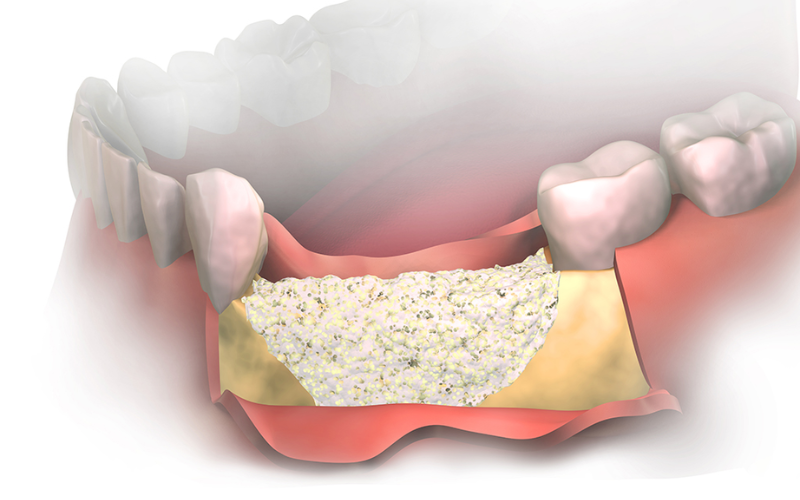
Bone grafting might sound intimidating, especially if you’re new to the world of dental or surgical procedures. But don’t worry—this guide is here to make the process approachable, clear, and even a little fascinating. We’ll break it down into a unique structure to keep you engaged, from quick snapshots of what to expect to deeper insights into the healing journey.
The “What” of Bone Grafting: A Quick Overview
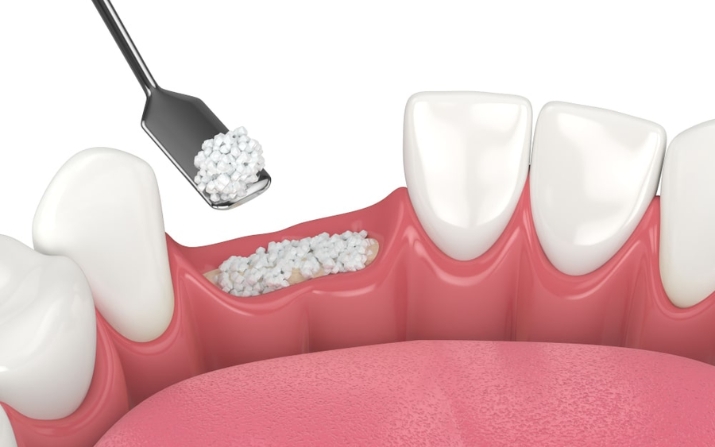
Bone grafting is a procedure where bone material (natural or synthetic) is added to an area to enhance bone density or replace lost bone. It’s commonly used in dental implants, treating injuries, or correcting deformities. The key goals are:
- Restoration: Replacing missing bone.
- Support: Providing a solid foundation for future procedures, like dental implants.
- Healing: Stimulating natural bone regrowth.
Why You Might Need One?
Ever wondered why someone might need a bone graft? The reasons are more common than you think:
- Dental Implants: To anchor implants securely in the jaw.
- Injury Recovery: Repairing fractures or trauma-induced bone loss.
- Gum Disease: Rebuilding bone lost to periodontal disease.
- Orthopedic Needs: Addressing structural issues in joints or limbs.
What To Expect At The Bone Grafting Treatment?
Knowing what happens during a bone grafting procedure can help ease your concerns. Here’s a quick breakdown:
- Consultation: Your dentist evaluates your needs using X-rays or scans and discusses graft options like autografts (your bone) or synthetic materials.
- Preparation: The surgical site is cleaned, and anesthesia or sedation is administered for comfort.
- Graft Placement: The graft material is positioned in the targeted area, secured with membranes or screws if necessary.
- Closure: The incision is sutured, and protective measures are added to support healing.
How Long Does The Procedure Take?
- Simple bone grafts may take 30–60 minutes.
- Complex cases, such as large grafts or those involving multiple sites, may take longer.
Being informed about the procedure can empower you to confidently approach bone grafting. Rest assured that your dental or surgical team will guide you every step of the way for a safe and successful outcome.
A Timeline of Healing: The Journey In Phases
Healing from bone grafting is a gradual process. Let’s break it into digestible phases:
1. The First 48 Hours: Immediate Response
- What to Expect: Swelling, discomfort, and possible bruising.
- Care Tips:
- Apply ice packs to reduce swelling.
- Stick to soft foods.
- Avoid rinsing or spitting to prevent dislodging the graft.
2. The First Week: Early Healing
- Signs of Progress: Initial pain subsides, and swelling reduces.
- Care Tips:
- Follow prescribed antibiotics and pain relief.
- Use saline rinses to keep the area clean.
3. Weeks 2–6: Foundation Building
- Bone Integration Begins: The graft starts bonding with your existing bone.
- Care Tips:
- Avoid hard or crunchy foods.
- Schedule follow-up appointments to monitor progress.
4. Months 3–6: Strengthening Phase
- Bone Maturity: The graft becomes fully integrated, creating a solid foundation.
- Care Tips:
- Stay consistent with good oral hygiene.
- Discuss the next steps, like dental implants, with your specialist.
What Makes Healing Successful? Key Factors
While the timeline provides a general idea, certain factors can influence your healing experience:
1. Personal Health
- Smoking: Avoid it—it slows healing.
- Conditions: Diabetes or osteoporosis may require tailored care.
2. Type of Graft Material
- Autografts (Your Bone): Often heal faster but may involve extra recovery from the donor site.
- Synthetic Grafts: Great for avoiding a second surgical site but might take slightly longer to integrate.
3. Proper Aftercare
- Oral Hygiene: Keep the area clean without disturbing the graft.
- Diet: Focus on soft, nutritious foods.
Lifestyle Adjustments for a Smooth Recovery
Bone graft recovery isn’t just about following your Richmond dentist’s instructions—it’s also about making small, manageable lifestyle changes to support healing:
1. Prioritize Sleep
Healing happens most effectively during rest. Aim for at least 7-8 hours of quality sleep, and consider sleeping with your head elevated during the first week to minimize swelling.
2. Hydrate Like a Pro
Staying hydrated helps promote blood circulation, essential for tissue repair. Opt for water or herbal teas and avoid caffeine or alcohol, which can slow healing.
3. Re-evaluate Your Diet
Nutrition plays a significant role in recovery. Include these healing-boosting foods:
- Proteins: Eggs, yogurt, and lean meats to support tissue regeneration.
- Vitamins C and D: Found in citrus fruits, spinach, and fortified milk, they promote collagen production and bone health.
- Calcium-Rich Foods: Dairy, almonds, and tofu to strengthen bones.
Your Role In The Healing Process
You play a critical role in ensuring a smooth recovery. Here’s how you can actively contribute:
Pre-Procedure Preparation
- Avoid smoking or alcohol leading up to the procedure.
- Discuss medications with your doctor to avoid interactions.
Post-Procedure Essentials
- Stick to the care plan provided by your specialist.
- Attend all follow-up appointments to catch potential issues early.
A Path To Better Health!
Bone grafting may seem complex, but understanding the healing process can make it less intimidating. With proper care and patience, you’re laying the foundation for improved health, whether it’s for dental implants or other needs.
The key takeaway? Recovery is a journey, but it’s worth every step for the results you’ll achieve. Partner with a trusted specialist, stay committed to your aftercare and look forward to the benefits of this transformative procedure.