We Take Medicaid/Medicare
Why Do Teeth Crack? Common Causes And Preventative Tips

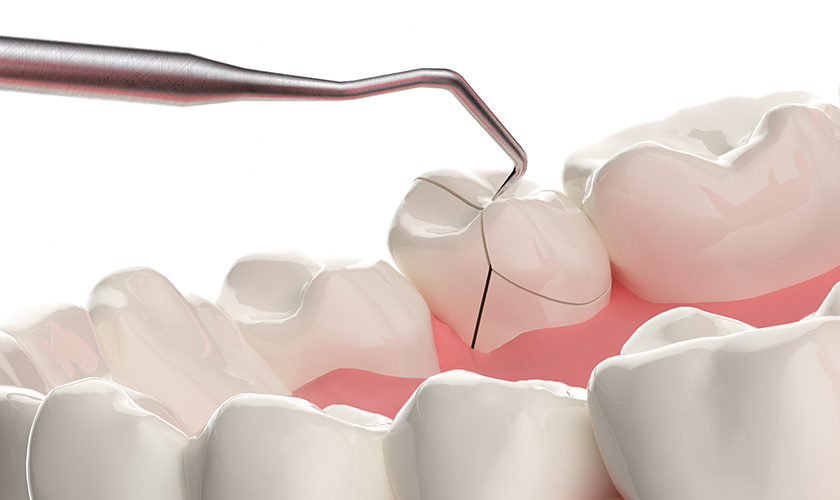
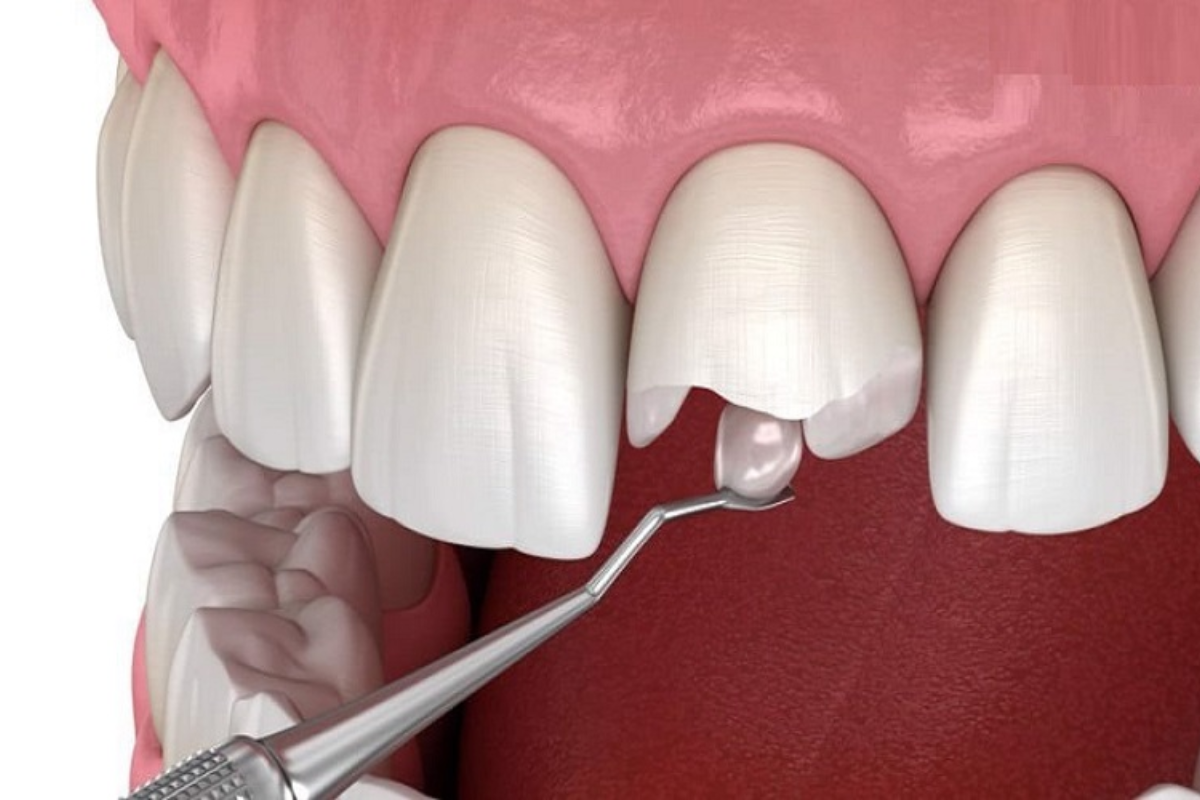
Teeth cracking is a common issue that many people face, yet it’s often misunderstood. A cracked tooth can cause pain, discomfort, and even long-term damage to your oral health if not treated properly.
Whether it’s from biting down on something hard or from age-related wear and tear, knowing the causes and how to prevent cracked teeth is essential for maintaining a healthy smile.
In this blog, we’ll explore the most common reasons why teeth crack and offer preventative tips to keep your smile intact for a long time.
The Anatomy of Cracked Teeth: What Happens When a Tooth Cracks?
Before diving into the causes, it’s important to understand how a tooth cracks. A cracked tooth can range from a tiny fracture in the enamel to a more severe break extending into the tooth’s pulp. The severity of the crack will determine the treatment you need, ranging from a simple filling to more extensive procedures like root canals or crowns.
Types of Cracked Teeth:
- Craze Lines: Small, shallow cracks that only affect the outer layer of the enamel.
- Fractured Cusp: The point of the tooth cracks, but the root stays intact.
- Cracked Tooth: A split that extends from the chewing surface down towards the root, causing pain.
- Split Tooth: A severe crack where the tooth is in two parts, often requiring extraction.
- Vertical Root Fracture: A crack that starts at the root and can spread upwards, usually resulting in tooth loss.
Common Causes of Cracked Teeth
Cracked teeth don’t happen for no reason—there are several common causes that lead to the problem. Understanding these causes can help you take steps to avoid the damage.
1. Chewing Hard Foods
It’s no surprise that biting down on hard foods like ice, nuts, hard candies, or unpopped popcorn kernels can put excessive pressure on your teeth. Over time, this pressure can cause small fractures that eventually turn into cracks.
- Tip: Avoid biting hard foods directly with your teeth, and always try to chew slowly and carefully.
2. Trauma or Injury
Accidents, sports injuries, or falls are common culprits in cracking teeth. A blow to the mouth can cause a direct fracture, or repeated impacts (like grinding your teeth at night) can gradually wear down your enamel.
- Tip: Always wear a mouthguard when playing sports or engaging in physical activities to protect your teeth from impact.
3. Teeth Grinding (Bruxism)
Many people unknowingly grind or clench their teeth, especially during sleep. This condition, called bruxism, can place constant pressure on your teeth, leading to cracks over time. It often happens when you’re stressed, anxious, or even while sleeping without realizing it.
- Tip: If you grind your teeth, talk to the dentist about wearing a nightguard. This will protect your teeth while you sleep and reduce the pressure caused by grinding.
4. Aging and Wear and Tear
As you age, your teeth naturally undergo wear and tear. Enamel can weaken, and your teeth may become more susceptible to cracking. The risk increases if you have previously had fillings, crowns, or other dental work that may have compromised the structure of your teeth.
- Tip: Regular dental visits are essential to check for signs of wear and tear. Early intervention can prevent further damage.
5. Large Fillings
If you have large fillings in your teeth, it can sometimes make the tooth more prone to cracking. This is because fillings may weaken the tooth structure, especially if the filling is old and starting to break down.
- Tip: If you have large fillings, ask the Richmond dentist about replacing them with crowns or other restorative work to strengthen the tooth.
6. Extreme Temperature Changes
Sudden temperature changes, such as drinking something very hot, followed by something very cold, can cause the tooth to expand and contract rapidly. This stress can cause tiny cracks to form over time, especially if the enamel is already weakened.
- Tip: Avoid extreme temperature changes in your drinks or foods. Try not to drink hot beverages followed immediately by cold ones.
7. Misalignment and Bite Issues
If your bite is misaligned or you have an uneven distribution of pressure while chewing, certain teeth can experience more stress, leading to cracks. This is often the case if you have an overbite or underbite.
- Tip: Consult with a dentist or orthodontist if you have bite issues. They may recommend orthodontic treatment to ensure your teeth are aligned correctly.
How To Prevent Cracked Teeth: Tips for Healthy Teeth
Now that we know the causes of cracked teeth, let’s look at some easy yet effective ways to prevent them and maintain your smile.
1. Practice Proper Oral Hygiene
Brushing and flossing regularly keeps your teeth healthy and strong, making them less susceptible to damage. A healthy mouth is less prone to the issues that contribute to cracked teeth, such as cavities or gum disease.
- Tip: Brush at least twice a day and floss daily to remove plaque and food particles that can weaken your teeth.
2. Use a Mouthguard
If you play sports, grind your teeth at night, or are prone to injuries, wearing a mouthguard can provide protection for your teeth and prevent cracks caused by impact or grinding.
- Tip: Ask dentist to custom-make a mouthguard for a more comfortable fit and better protection.
3. Stay Away from Hard Foods
Chewing on hard foods like ice or hard candies can crack your teeth. Although it may seem tempting, it’s important to be mindful of the pressure your teeth are under when eating such foods.
- Tip: Opt for softer foods or try cutting hard items into smaller, bite-sized pieces to reduce the risk of cracking.
4. Avoid Using Teeth as Tools
Your teeth are meant for chewing food, not opening bottles or packages. Using your teeth as tools can easily lead to cracks or fractures.
- Tip: Always use the proper tools for tasks such as opening packages, and avoid using your teeth as substitutes.
5. Address Bite Issues
If your bite is misaligned, it may be placing unnecessary pressure on certain teeth. Early orthodontic intervention can help correct this issue and prevent cracks.
- Tip: If you experience frequent jaw pain, headaches, or discomfort while chewing, talk to the dentist about getting an evaluation for bite issues.
Keep Your Teeth Free Of Cracks with Preventative Care!
Cracked teeth are a common but preventable issue that can cause pain and long-term oral health problems if not addressed promptly. Understanding the causes of cracked teeth and taking steps to prevent them can go a long way in preserving your smile.
From avoiding hard foods to addressing bite issues and practicing good oral hygiene, there are many ways to protect your teeth. If you notice any signs of a cracked tooth, such as pain while chewing or sensitivity to temperature, seek dental care immediately to avoid further damage.
Contact our dentist, and remember, by taking proactive steps and keeping a close eye on your oral health, you can ensure your teeth remain strong, healthy, and free of cracks.