We Take Medicaid/Medicare
Common Misconceptions About Bone Grafting Explained

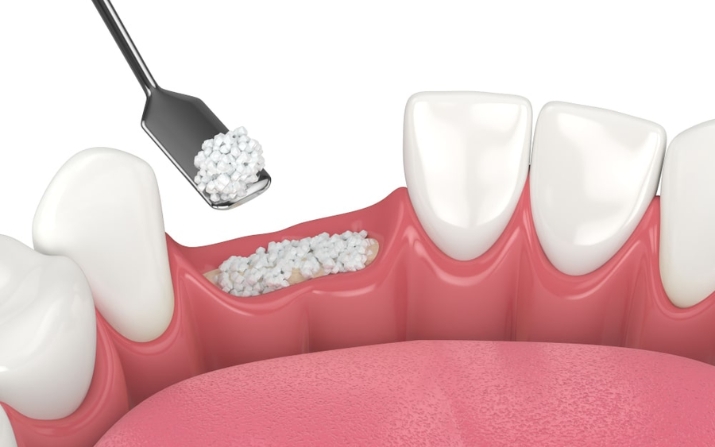
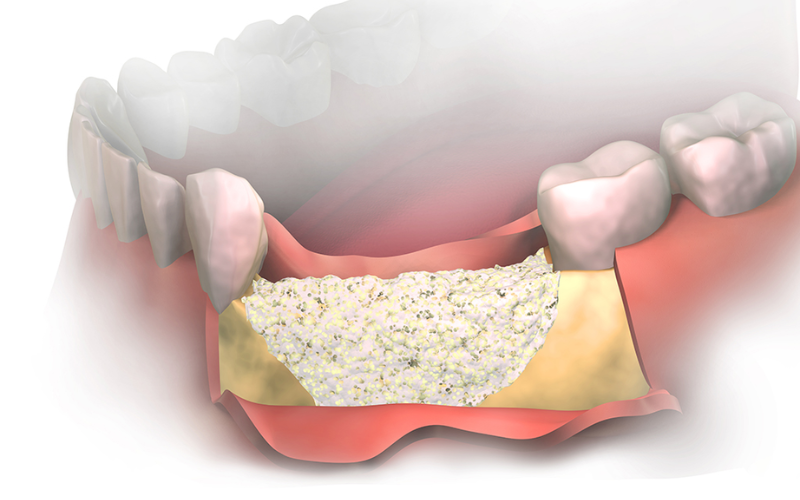
Bone grafting is a vital procedure in dentistry and orthopedics, particularly for patients requiring dental implants, reconstructive surgery, or treatment for bone loss. However, various misconceptions surround this technique, leading to confusion and anxiety among patients. This blog aims to debunk common myths about bone grafting, providing clarity and accurate information to help patients make informed decisions about their dental health.
What Bone Grafting Entails?
Before diving into misconceptions, it’s essential to understand what bone grafting entails. This procedure involves transplanting bone tissue to repair or rebuild bones. Bone grafts can be sourced from:
- Autografts: Bone harvested from the patient’s own body.
- Allografts: Bone obtained from a human donor.
- Xenografts: Bone derived from animals, usually cows.
- Synthetic grafts: Biocompatible materials that encourage bone growth.
Bone grafting is commonly used in dental procedures to ensure there is enough healthy bone to support implants or to restore bone lost due to periodontal disease, trauma, or other factors.
Myths About Bone Grafting Debunked
Myth 1: Bone Grafting Is Extremely Painful
Reality: Many patients fear that bone grafting will be excruciatingly painful. However, advancements in anesthesia and pain management techniques have made the procedure more comfortable.
- Anesthesia Options: Patients typically receive local anesthesia, sedation, or general anesthesia, minimizing discomfort during the procedure.
- Post-Operative Pain: While some soreness is normal after the procedure, it can often be managed effectively with prescribed medications and over-the-counter pain relievers.
Myth 2: Bone Grafting Takes a Long Time To Heal
Reality: Healing times can vary depending on the individual and the type of graft used, but many patients experience a relatively quick recovery.
- Healing Timeline: Most patients can resume normal activities within a few days. Complete healing may take a few months, but this is not significantly longer than recovery from other dental procedures.
- Factors Influencing Healing: Factors such as age, overall health, and lifestyle choices (like smoking) can impact healing times.
Myth 3: Bone Grafting Is Only Necessary for Dental Implants
Reality: While bone grafting is crucial for dental implants, it has broader applications in dentistry and other medical fields.
- Other Applications: Bone grafting is also used in jaw reconstruction, treatment of bone cysts, and even orthopedic surgeries. It helps in areas where bone has been lost due to injury, disease, or congenital conditions.
Myth 4: You Can’t Have a Bone Graft If You Smoke
Reality: While smoking can complicate healing and increase the risk of complications, it does not automatically disqualify someone from receiving a bone graft.
- Consultation is Key: Smokers should consult their dental professional to discuss their specific situation and the potential risks involved. Quitting smoking before and after the procedure can significantly enhance healing.
Myth 5: Bone Grafting Is Only for Older Adults
Reality: Bone grafting is not age-restricted.
- Applicability Across Ages: People of various ages, including younger patients, may require bone grafting due to trauma, congenital conditions, or tooth loss.
- Considerations for Young Patients: In pediatric dentistry, bone grafting may be necessary for children with jaw development issues or traumatic injuries.
Myth 6: Bone Grafting Is Unnecessary If You Have Enough Bone
Reality: Even if a patient has enough bone, grafting can still be beneficial in some cases.
- Preventative Measure: Bone grafting can be a proactive approach to strengthen existing bone, particularly in patients planning to receive implants in the future.
- Enhancing Bone Quality: In some instances, grafting can enhance the quality of existing bone, ensuring better integration with dental implants.
Preparing For The Procedure
Understanding the procedure and preparing adequately can help alleviate fears and improve outcomes. Here are some tips for preparing for a bone graft:
- Consultation: Schedule a comprehensive consultation with our dentist or oral surgeon to discuss your specific needs, treatment options, and potential risks.
- Medical History: Provide a complete medical history, including medications, allergies, and lifestyle habits.
- Follow Pre-Operative Instructions: To prepare for the procedure, adhere to any dietary restrictions or guidelines given by our dentist.
Bone grafting is a crucial procedure in modern dentistry that can significantly enhance dental health and quality of life. By debunking common misconceptions, patients can approach the procedure with a clearer understanding and reduced anxiety.
If you or someone you know may benefit from bone grafting, consult a qualified dental professional to discuss your options. Knowledge is power, and being informed about bone grafting can lead to better outcomes and healthier smiles!