We Take Medicaid/Medicare
How Smoking Affects Dental Implants: Risks and Recovery

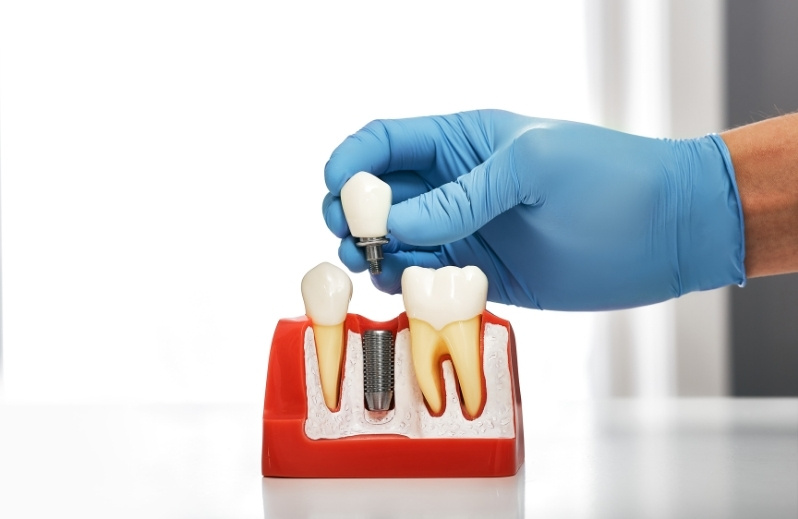
Are you thinking of getting dental implants? But are you a smoker?
Are you wondering why two questions together?
If you want dental implants, you will have to quit smoking. These two do not go together.
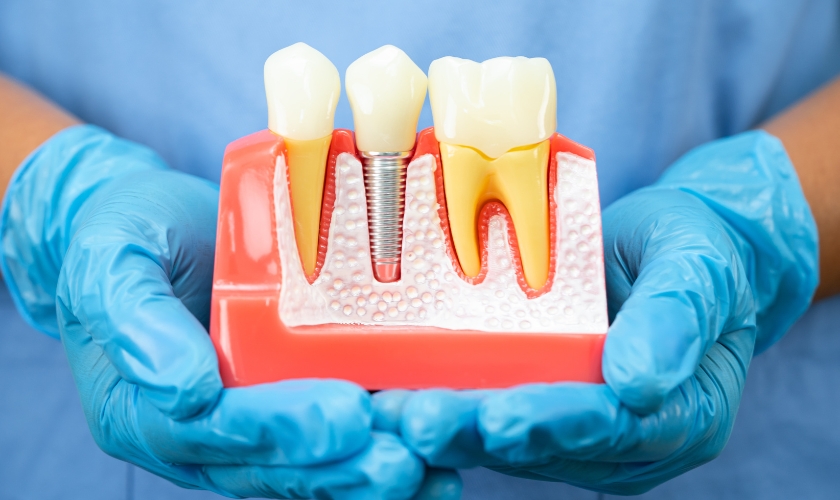
Dental implants are a popular solution for your missing teeth. They give you a natural and seamless look and feel. Implants restore your confidence and the natural function of your teeth.
However, their full success depends on how well you take care of them. One of the major factors affecting recovery after dental implants is smoking.
In this blog, you will learn how much smoking affects dental implants and what the risks involved in their recovery.
What is the Impact of Smoking on Dental Implants and Recovery?
It is not unknown that smoking is injurious to your health. But do you know exactly how this impacts your dental implants?
Here’s how smoking can influence your implant recovery:
Impaired Healing
Healing is a vital aspect of dental implant recovery. Smoking reduces the blood flow to your gums and their surrounding tissues. Due to a lack of adequate circulation, your body’s ability to heal is affected.
If you are a regular smoker, chances are your body’s healing ability will decrease, and you will need prolonged time for full recovery after getting dental implants in Richmond.
Increased Risk of Infection
Smoking weakens your body’s natural immune system. As a result, it becomes harder for your body to fight off infections.
After dental implant surgery, your body will need a healthy immune system to prevent any chances of infections around the implant site. Since smokers are more prone to infections, this can lead to major difficulties in implant recovery.
Higher Risk of Implant Failure
Research shows that smokers are more likely to experience implant failure than non-smokers. Smoking increases the likelihood of getting gum disease and bone loss. Both of these issues can compromise the stability of your implants.
Delayed Osseointegration
Osseointegration is the process of fusing dental implants with the jawbone. This creates a secure foundation for your implants.
The chemicals in cigarettes damage the bone’s ability to heal and bond with the implant, leading to delayed or incomplete fusion.
How to Improve Recovery as a Smoker?
You can try these methods to improve your chances of recovery after dental implants.
- Quit Smoking Before and After Surgery: Your best option is to quit smoking. Stop smoking at least 2-4 weeks completely before your surgery, and continue to avoid it during your recovery. This gives your body the best chance to heal completely.
- Nicotine Replacement Therapy: You can try nicotine replacement therapies if quitting is impossible for you. These are alternatives and help manage the cravings for cigarettes without the harmful effects of smoking.
- Follow Post-Surgery Care Instructions: Post-surgery instructions are vital for smooth recovery. Consult with your dentist and take a full treatment plan. This will include how to manage pain, using mouth rinses, food choices, and activities that can disrupt your healing. Ensure you follow everything from the list.
- Maintain Good Oral Hygiene
Keep your mouth clean with a proper oral care routine. Brush and floss daily to keep the bacteria and harmful germs away from your mouth. Remember, brush gently to avoid putting any pressure on the implant site.
Smoking significantly affects the success of your dental implants, both during the recovery and even after that. You can either quit smoking fully or follow these steps for better healing. Consult a professional dentist today for more information.