We Take Medicaid/Medicare
No-Drill Cavity Fillings: Revolutionizing Pain-Free Dentistry


For many people, the mere thought of going to the dentist brings anxiety, especially when it comes to cavities and the dreaded sound of the drill. However, dentistry has made remarkable strides in recent years, and one of the most innovative advancements is the introduction of no-drill cavity fillings.
This modern technique is revolutionizing the way we treat cavities, offering patients a pain-free, anxiety-reducing alternative to traditional methods. In this blog, we’ll dive into the science behind no-drill cavity fillings, their benefits, how they work, and why they’re becoming the preferred choice for patients and dentists alike.
What Are No-Drill Cavity Fillings?
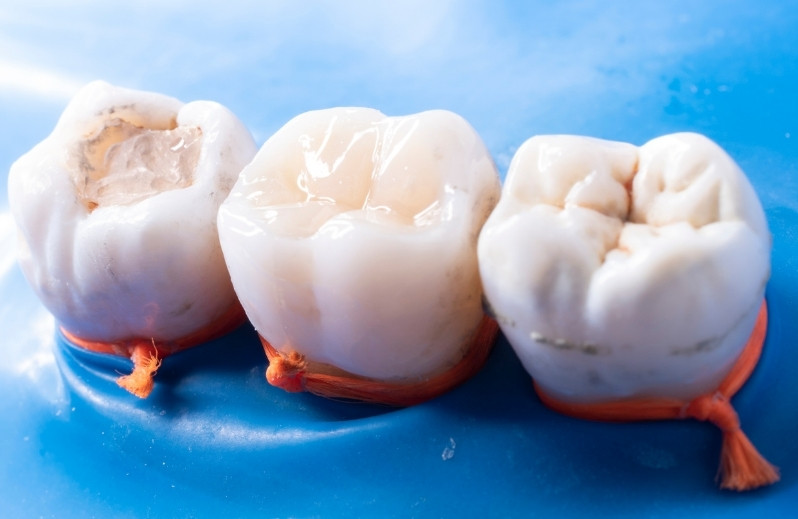
No-drill cavity fillings, sometimes referred to as air abrasion or laser cavity treatment, use minimally invasive techniques to treat tooth decay without the need for a dental drill. Instead of physically drilling out the decayed portion of the tooth, these techniques preserve healthy tooth structure while effectively removing decay and preparing the cavity for filling.
This method involves the use of air abrasion, lasers, or even particular medications that treat early-stage cavities without causing discomfort. The result is a much more comfortable experience, with many patients describing it as completely pain-free.
Key Features of No-Drill Cavity Fillings
- Minimally invasive: Preserves more of the natural tooth structure.
- No drilling noise or vibrations: Reduces anxiety.
- Pain-free: Often eliminates the need for local anesthesia.
How Do No-Drill Cavity Fillings Work?
No-drill fillings rely on advanced technology to remove decayed tooth material without physically cutting into the tooth. There are a few common methods used:
1. Air Abrasion
Air abrasion is a technique that uses a stream of fine, abrasive particles (such as silica or aluminum oxide) to blast away decayed areas of the tooth. This method allows Richmond dentists to precisely target the cavity without affecting surrounding healthy tooth tissue.
- No drill required: Air abrasion uses a gentle stream instead of a traditional drill.
- Preservation of healthy enamel: Only the decayed portion is removed, leaving more of the tooth intact.
2. Laser Treatment
Dental lasers use concentrated light beams to vaporize decayed tooth material. Lasers are highly precise, allowing dentists to target only the affected area, ensuring minimal invasion and minimal discomfort for the patient.
- Silent and painless: Lasers eliminate the noise and vibration associated with drills.
- No anesthesia needed: Since lasers are virtually painless, patients typically don’t require numbing shots.
3. Resin Infiltration for Early Cavities
For cavities in their early stages, resin infiltration can be used to prevent decay from progressing. This technique uses a special resin, which is applied to the tooth’s surface to stop further decay without needing to remove any part of the tooth.
- Non-invasive treatment: No cutting or drilling required.
- Perfect for early detection: Ideal for treating small cavities before they require more extensive treatment.
Why Are No-Drill Cavity Fillings The Future of Dentistry?
Traditional methods for treating cavities are effective, but they come with certain downsides. Drilling into the tooth can cause discomfort, anxiety, and the removal of healthy tooth structure. No-drill cavity fillings, on the other hand, offer several advantages that make them a superior option for both patients and dentists.
1. Pain-Free Experience
Perhaps the biggest advantage of no-drill cavity fillings is that they are virtually pain-free. Since there is no cutting into the tooth or surrounding tissue, most patients don’t feel any discomfort during the procedure. This is especially beneficial for individuals with dental anxiety or a low pain tolerance.
- No numbing required: Because the procedures are minimally invasive, anesthesia is often unnecessary.
- Comfortable treatment: Patients are spared the discomfort that comes with traditional drilling, and recovery times are shorter.
2. Anxiety-Free Dental Visits
Dental anxiety is a major barrier preventing people from seeking the oral care they need. The noise, vibrations, and pressure of the drill can trigger fear in many patients. No-drill methods eliminate these stressors, making dental visits a more pleasant, anxiety-free experience.
- No fear of the drill: Without the intimidating sound of the drill, patients feel more at ease.
- Ideal for children: No-drill cavity fillings are an excellent option for children, helping to create positive dental experiences from a young age.
3. Preservation of Natural Tooth Structure
Traditional cavity fillings often require the dentist to remove more of the tooth than just the decayed portion to ensure a stable filling. With no-drill fillings, there’s no need to remove healthy enamel. This ensures the tooth remains stronger and healthier in the long run.
- Less removal of healthy tissue: No-drill techniques focus solely on the decayed area.
- Longer-lasting teeth: Preserving the tooth’s natural structure means it is less likely to fracture or wear down prematurely.
4. Less Risk of Complications
Drilling into a tooth can sometimes lead to complications, such as microfractures or irritation of the pulp, increasing the need for further treatments like root canals. No-drill techniques are much gentler on the tooth, minimizing the risk of damage.
- Less trauma to the tooth: No-drill treatments are much less invasive, reducing the chances of post-treatment sensitivity or complications.
- Fewer follow-up appointments: With no-drill treatments, the need for further corrective work is minimized.
5. Perfect for Early-Stage Cavities
One of the most exciting benefits of no-drill fillings is their ability to treat cavities at a very early stage. Traditional fillings often require the cavity to be somewhat advanced before the intervention, but no-drill treatments can prevent decay from worsening, catching it in its earliest form.
- Prevention over treatment: Resin infiltration can stop cavities before they develop into serious dental problems.
- Proactive dental care: Early detection and treatment mean fewer cavities needing advanced intervention later on.
Who Benefits Most from No-Drill Fillings?
- Patients with dental anxiety who dread traditional drilling.
- Children and teens who are new to dental treatments.
- People with early-stage cavities who want to prevent further decay.
- Individuals seeking a pain-free experience at the dentist.
No-drill cavity fillings are revolutionizing the field of dentistry, offering a pain-free, anxiety-reducing alternative to traditional methods. Whether you’re someone who dreads the sound of the drill or are looking for a more comfortable and minimally invasive option for cavity treatment, no-drill fillings provide an excellent solution.
With advances like air abrasion, laser treatment, and resin infiltration, patients can now enjoy faster, more pleasant dental visits while preserving their natural tooth structure and health.
If you’re interested in learning more about no-drill cavity fillings or want to see if they’re right for your dental needs, consult our dental team today to explore the benefits of this revolutionary technology.