We Take Medicaid/Medicare



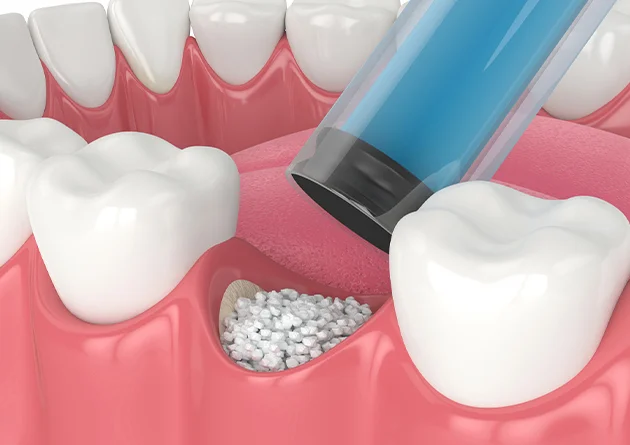
Bone Grafting and Augmentation
Feeling anxious about bone grafting and augmentation? It's a common feeling, but these procedures are actually quite common in dentistry. They can help improve your smile and oral health significantly.
Bone grafting is a surgical procedure where bone is taken from one area of the body and placed in another. The bone can come from the patient or donated bone. It is often used to repair bones that are not healing properly or to build up areas of bone lost due to injury or disease.
What is a Dental Bridge?
Did you know that over 500,000 people in the United States have bone grafting and augmentation procedures each year? This number is expected to grow as more people learn about the benefits of these procedures. Bone grafting and augmentation can be used to improve the overall health of your teeth and jawbone.
These procedures can also be used to improve the appearance of your smile by increasing the size and strength of your teeth. The American Academy of Implant Dentistry (AAID) is a leading authority on these procedures. Here are a few facts about bone grafting and augmentation from the AAID:
Bone grafting is a surgical procedure in which donor bone is used to replace missing or damaged bone in the jawbone.
Augmentation is a procedure that uses donor tissue to add volume to your existing jawbone.
Both procedures can be performed at the same time or separately.
The success rate for both procedures is very high, with most patients seeing significant improvements in their oral health.
Why Is Bone Grafting Necessary?
Bone grafting is a surgical procedure used to replace missing bone in order to repair bones or joints that have been damaged by injury or disease. The graft can be taken from another part of the patient's body or it can be a synthetic substitute. This procedure is often necessary to provide structural support for dental implants and can also enhance the function and appearance of damaged bones or joints.
If you are considering bone grafting and augmentation to improve your smile, it is crucial to select a qualified dentist with experience in this type of procedure. Here are some questions to consider when choosing a bone grafting and augmentation dentist:
- I am interested in learning more about your experience with performing bone grafting and augmentation procedures. How long can I expect the results to last?
- Are there any risks or complications associated with this procedure?
- What is the typical recovery time after undergoing this procedure?
- Additionally, I would like to inquire about the cost of this procedure and if financing options are available. Will my insurance cover the cost of this procedure?
- Lastly, when would be the soonest I could schedule an appointment for this procedure?
What Kinds Of Bone Grafting Procedures Are There?
There are four primary types of bone grafting procedures: autogenous, allograft, xenograft, and alloplastic.
Autogenous bone grafting is the process of taking bone from one area of the body and using it to repair or replace damaged bone in another area of the body. This type of graft is often considered the gold standard because it uses the patient’s tissue, which reduces the risk of rejection or infection.
Allograft bone grafting involves using bone from a donor. Allografts are carefully screened to minimize the risk of disease transmission. They can be used for small or large defects and are often used in conjunction with other types of grafts.
Xenograft bone grafting uses the animal bone to repair human bones. The most common source of animal bone is cows. Xenografts are processed to remove all cells and proteins that could cause an immune reaction in humans. Like allografts, they can be used for small or large defects.
Alloplastic bone grafting uses man-made materials to replace or support damaged bones. The two most common materials used in this type of graft are hydroxyapatite (HA) and tricalcium phosphate (TCP). Both HA and TCP are similar to natural human bones and promote new bone growth.
How Is Bone Grafting Performed?
Bone grafting can be performed in several ways depending on the specific procedure. The most common type is autogenous, which involves using bone from another area of the patient's body. Allografts use bone from a donor, and artificial bones can also be used.
The first step in bone grafting is making an incision in the gums to access the underlying bone. A small amount of bone is then removed from the chosen location and placed where more bone is needed. Metal screws or plates may be used to secure the graft in place.
After the graft is placed, it takes time to fuse with the existing bone. Patients must follow strict oral hygiene instructions and avoid putting too much pressure on the grafted area during the healing process. Once healed, the new bone will support dental implants or other dental prosthetics.