We Take Medicaid/Medicare

Dental Crowns: Restore Your Smile with Precision
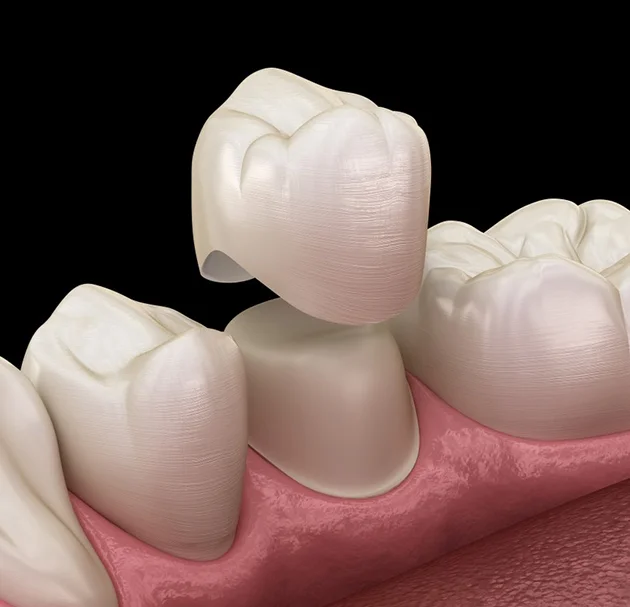
Enhance your smile with custom dental crowns and experience renewed confidence and oral health. Dental crowns, also known as dental caps, are versatile restorative solutions designed to cover damaged, decayed, or aesthetically compromised teeth. Our practice specializes in crafting custom dental crowns that blend seamlessly with your natural teeth, restoring both function and appearance.
Whether you need to protect a weakened tooth, cover a dental implant, or improve the aesthetics of your smile, our expert team is here to provide personalized care. We offer a variety of crown materials, including porcelain, ceramic, and metal-alloy options, tailored to meet your specific needs and budget.
With our commitment to excellence and patient-centered care, we ensure each crown is meticulously crafted for durability and aesthetics. Discover how dental crowns can transform your smile and restore your dental health.
When Are Dental Crowns Necessary?
Determining when dental crowns are necessary depends on various dental conditions and needs. Typically, dental crowns are recommended in the following situations:
Restoration of Severely Decayed Teeth: Crowns are used to cover and protect teeth that have extensive decay and cannot be effectively restored with fillings.
Fractured or Cracked Teeth: Teeth that are fractured or cracked due to trauma or extensive wear can benefit from the stability and support provided by crowns.
Protection After Root Canal Therapy: Teeth that have undergone root canal treatment are often weakened and require crowns to protect them from further damage.
Support for Large Fillings: When a tooth has a large filling, a crown may be needed to strengthen the tooth and prevent the filling from dislodging.
Cosmetic Enhancement: Crowns can improve the appearance of misshapen or severely discolored teeth, enhancing the overall aesthetics of the smile.
Anchorage for Dental Bridges: Crowns serve as anchors to hold dental bridges in place, replacing missing teeth and restoring functionality.
Covering Dental Implants: Crowns are placed over dental implants to provide natural-looking replacements for missing teeth.
If you experience any of these dental issues or have concerns about the health and appearance of your teeth, consult with a dentist to determine if dental crowns are the right solution for you.
What Are The Different Types of Dental Crowns?
There are various types of dental crowns, each offering distinct benefits based on your individual needs and preferences:
Porcelain Crowns: Known for their natural appearance, these crowns can be color-matched to blend seamlessly with your existing teeth, making them an excellent choice for visible areas.
Porcelain-Fused-to-Metal (PFM) Crowns: Combining the durability of metal with the aesthetic appeal of porcelain, PFM crowns provide a strong, long-lasting solution while still looking natural.
Metal Crowns (Gold or Other Alloys): Renowned for their exceptional strength and durability, metal crowns are ideal for back teeth where resistance to wear is essential.
All-Ceramic Crowns: Made entirely of ceramic, these crowns offer superior aesthetics and are well-tolerated by the body, making them a great option for those seeking both appearance and compatibility.
Composite Resin Crowns: These crowns are a budget-friendly option that can be color-matched to your teeth. However, they may not be as durable as other types.
The best choice of crown depends on factors such as the tooth’s location, the amount of remaining natural tooth structure, aesthetic goals, and financial considerations.
What to Expect During Your Crown Procedure
When you get a dental crown at our clinic, we follow a detailed and precise process to ensure your tooth is restored and protected effectively:
Expert Preparation: Our skilled dentist in Richmond, VA starts by preparing your tooth, carefully removing any decayed or damaged areas and reshaping it to ensure a perfect fit for your crown.
Precision Impressions: We use advanced technology to take detailed impressions of your prepared tooth, ensuring that your custom crown fits accurately and comfortably.
Temporary Protection: While your permanent crown is being crafted in our dental laboratory, we place a temporary crown to protect your tooth and maintain its functionality.
Seamless Placement: Once your custom crown is ready, we bond it to your prepared tooth with high-quality dental cement, ensuring a durable and secure fit.
Customized Comfort: We carefully check the fit and alignment of your crown, making any necessary adjustments to guarantee optimal comfort and functionality.
This thorough process restores your tooth’s strength, appearance, and function, enabling you to eat, speak, and smile with confidence. Regular follow-up visits at our clinic ensure that your crown remains in excellent condition and that your dental health is maintained.
How to Care for Your Dental Crowns
To keep your dental crowns in top shape and ensure lasting durability, follow these straightforward care tips:
Daily Oral Hygiene: Brush your teeth at least twice a day and floss daily to prevent plaque buildup around the crown.
Avoid Hard Foods: Steer clear of hard foods like ice and nuts that could potentially damage the crown.
Use a Mouthguard: If you grind or clench your teeth at night, wear a custom mouthguard to protect both your natural teeth and the crown.
Regular Dental Visits: Schedule routine dental check-ups and cleanings to monitor the condition of your crown and maintain overall oral health.
Avoid Sticky or Chewy Foods: Limit your intake of sticky or chewy foods that could potentially dislodge the crown.
Seek Immediate Attention: Contact your dentist right away if you experience sensitivity, pain, or if the crown feels loose, so necessary adjustments can be made.
By following these simple guidelines and maintaining regular dental care, you can extend the lifespan of your dental crown and support your overall oral health.
Don’t Let Cracks Dull Your Smile! Schedule Your Dental Crown Appointment Today!
Keep your smile radiant and your oral health in top shape. Book your dental crown care appointment today to ensure your smile stays bright and your crowns remain in excellent condition.