We Take Medicaid/Medicare


The Process of Getting White Fillings: What to Expect

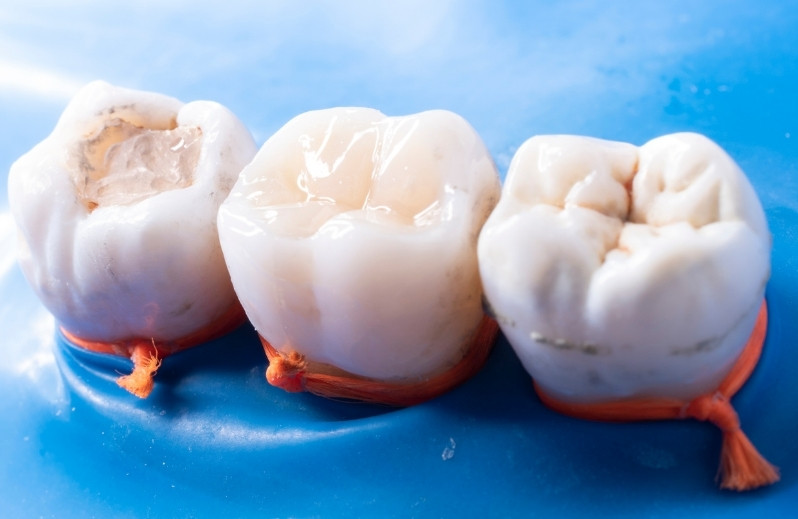
Spotted a small spot on your tooth? Perhaps a sharp zing of sensitivity when taking a sip of coffee in the morning? Cavities can get the best of anyone, but the best part is that you can easily repair them. White fillings, also referred to as composite fillings, aren’t just for filling cavities—instead, they melt right into your own teeth, so they’re essentially invisible.
If you have been wondering what is done in the procedure, you are not alone! Most people are apprehensive about dental procedures just because they do not know what to anticipate. Worry not—having a white filling is quick, comfortable, and simple. From the initial step to aftercare, below is exactly what is done in the process.
Step-by-Step Process of Getting White Fillings
White fillings is a straightforward process that restores the tooth without sacrificing its looks. Here’s what happens during the process:
Step 1: Exam and Consultation
Before a filling, the dentist will:
- Check the tooth that is affected to see how much decay there is.
- Take X-rays if necessary to evaluate the structure underneath.
- Talk about the filling material, making sure it is appropriate for you.
Other treatments might be suggested if the cavity is too big or near the nerve. Otherwise, the filling can proceed.
Step 2: Numbing the Area
To make the procedure painless, a local anesthetic is administered around the tooth. You might feel a pinch when the injection is given, but in a matter of minutes, the area is numb, and you won’t feel any pain or discomfort during the procedure.
Step 3: Removing the Decay
When the tooth is numbed:
- The dentist gently removes the decayed portion with a special dental instrument.
- The region is then cleaned properly to eliminate any bacteria.
- The filling is cemented firmly in position.
This ensures that no other decay will occur and the filling and tooth bond is firm.
Step 4: Positioning the Composite Resin
White fillings are filled in layers for strength. Here’s the process:
- A bonding agent is applied to hold the filling onto the tooth.
- The composite resin is layered thinly, shaping it to the natural form of the tooth.
- Each layer is then cured using a special light.
Step 5: Shaping and Polishing
Once the filling has set:
- The dentist cuts and shapes the material for proper bite.
- The surface is polished to match the smooth texture of your tooth.
- The bite is examined to ensure that there are no areas that are high.
The result? A smooth restoration that blends in with the rest of your teeth and returns function.
Aftercare and Recovery for White Fillings
White fillings are hardened entirely before you are discharged from the office, so you can return to normal activities right away. There are a couple of things to keep in mind for an uncomplicated recovery:
- Mild Sensitivity – A mild sensitivity to warm or cold foods is usual for a couple of days. It usually fades away by itself.
- Eating and Drinking – One can eat immediately, but very difficult or sticky foods are to be avoided within the first 24 hours.
- Oral Hygiene – Brush and floss as usual, paying special attention to the treated tooth. A fluoride toothpaste can strengthen the enamel.
- Don’t Chew on Ice or Hard Objects – Although composite fillings are tough, excessive force can cause them to be ground down over time.
White fillings offer a simple and efficient way to restore teeth without compromising their natural look. It is quick, pain-free, and offers long-term effects if well taken care of. With good oral hygiene and frequent visits to your dentist, you can have your restored tooth in top shape for years to come.
If you require a cavity or a new filling, don’t wait—ignoring it now will save you worse dental issues down the line.