We Take Medicaid/Medicare


Traumatic Tooth Injuries: How To Respond In The First Hour?

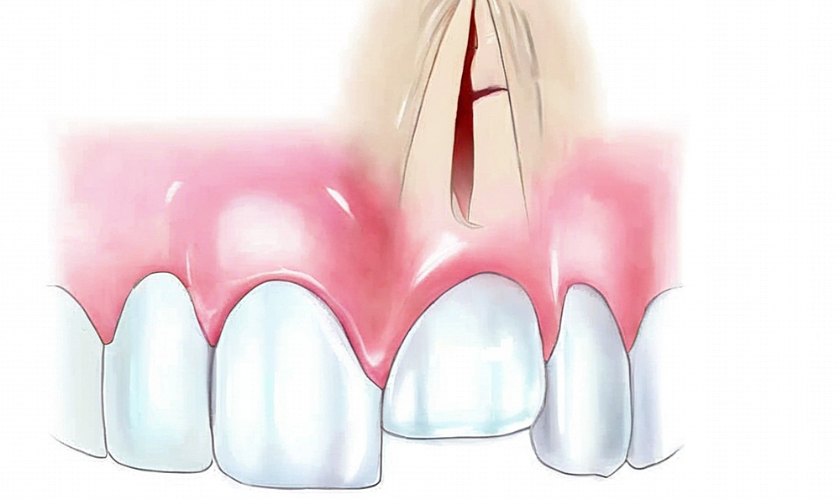
Dental trauma can happen unexpectedly—from a sports injury, a fall, or even an accident. When a tooth is damaged or dislodged, acting swiftly can be the difference between saving or losing the tooth. The first hour after a traumatic tooth injury is crucial, and understanding the right steps to take can make all the difference.
Understanding Traumatic Tooth Injuries
Before diving into the steps for handling these injuries, it’s essential to understand the types of traumatic tooth injuries:
1. Chipped or Fractured Teeth
- A chip or fracture may range from a small crack in the enamel to a severe break exposing the pulp.
- Small chips might only need cosmetic repair, but deeper fractures require immediate attention to prevent infection.
2. Knocked-Out Teeth (Avulsed Teeth)
- This traumatic tooth injury occurs when the tooth is completely dislodged from its socket.
- Prompt action increases the likelihood of successful reimplantation.
3. Dislodged (Luxated) Teeth
- The tooth remains in the socket but is loosened or shifted out of position.
- Immediate stabilization is necessary to save the tooth.
4. Tooth Intrusion
- The tooth is pushed deeper into the jawbone due to trauma.
- This is a severe injury requiring urgent professional intervention.
5. Soft Tissue Injuries
- Accompanying injuries to the gums, lips, or tongue often occur and require care to prevent further complications.
Why The First Hour Is Important?
The first 60 minutes after a dental injury are referred to as the “golden hour.” This time frame is vital because:
- The cells on the root of a knocked-out tooth begin to die quickly.
- Swift reimplantation significantly increases the success rate of saving the tooth.
- Early intervention reduces the risk of infection, further damage, or permanent tooth loss.
Immediate Steps To Take After a Tooth Injury
1. Stay Calm and Assess the Damage
- Check for visible signs of damage, bleeding, or swelling.
- Determine whether the tooth is chipped, fractured, dislodged, or knocked out.
- Look for any fragments of the tooth if it is broken.
2. Handle the Tooth Properly
For a knocked-out tooth:
- Pick it up by the crown (the white, chewing surface).
- Avoid touching the root, as this can damage the delicate tissues needed for reattachment.
- Do not scrub or rinse the tooth with soap or chemicals.
3. Rinse the Tooth (if Necessary)
- If the tooth is dirty, gently rinse it with saline or milk. Avoid using tap water, as it can damage the root cells.
4. Reinsert the Tooth if Possible
- Carefully place the tooth back into its socket. Ensure it is facing the right way.
- Hold it in place by gently biting down on a clean cloth or gauze.
5. Preserve the Tooth if Reimplantation Isn’t Possible
If reinserting the tooth is not an option, keep it moist:
- Place it in a container of milk or a saline solution.
- If no alternatives are available, keep it in your mouth between your cheek and gums.
6. Control Bleeding and Swelling
- Use a clean gauze or cloth to apply gentle pressure to the injured area.
- Apply a cold compress to the outside of your mouth to minimize swelling.
7. Seek Emergency Dental Care
- Contact a dentist or visit an emergency clinic immediately.
- Time is critical—ideally, the tooth should be reimplanted within 30–60 minutes.
Detailed Guide for Specific Injuries
1. Chipped or Fractured Teeth
- Rinse your mouth with warm salt water to clean the area.
- Save any broken pieces of the tooth, if possible.
- Apply dental wax or sugar-free gum to cover sharp edges.
2. Knocked-Out Teeth
- Follow the preservation steps outlined above.
- Rush to the dentist—time is of the essence for successful reimplantation.
3. Dislodged (Luxated) Teeth
- Do not force the tooth back into position.
- Keep the tooth stable and see a dentist immediately for repositioning.
4. Intruded Teeth
- Avoid trying to pull the tooth outward.
- Apply ice to reduce swelling and visit an emergency dental clinic immediately.
Preventing Traumatic Tooth Injuries
Protective Gear
- Wear a custom-fitted mouthguard during sports or high-impact activities.
Be Cautious with Hard Foods
- Avoid chewing on ice, hard candies, or popcorn kernels to prevent cracking teeth.
Childproof Your Home
- Install safety gates and padding in areas prone to falls to protect younger children.
Maintain Dental Health
- Strong, healthy teeth are less likely to sustain severe damage during trauma.
- Schedule regular dental checkups to address issues like decay or weak enamel.
Avoid Risky Behaviors
- Do not use your teeth as tools to open packages or cut objects.
The Dentist’s Role: What To Expect During Treatment?
When you arrive at the dental office, our dentist will:
- Examine the Injury: Perform a physical examination and take X-rays to assess the damage.
- Reimplant or Repair: For knocked-out teeth, the dentist will attempt reimplantation. Fractures may require bonding, crowns, or veneers.
- Stabilize the Tooth: A splint may be used to hold dislodged teeth in place while they heal.
- Root Canal Therapy: If the pulp is exposed or damaged, a root canal may be needed to save the tooth.
- Follow-Up Care: Regular checkups will monitor healing and address complications.
Long-Term Care After a Tooth Injury
Tips for Recovery
- Avoid biting down on hard foods for the first few weeks.
- Maintain good oral hygiene to prevent infection.
- Attend all follow-up appointments with a dentist.
Signs of Complications
Contact our dentist immediately if you notice:
- Increased pain or swelling.
- Persistent bleeding.
- Discoloration of the injured tooth.
Key Takeaways
- Acting within the first hour after a traumatic tooth injury can save your tooth and prevent complications.
- Proper handling and preservation of a knocked-out tooth are critical.
- Preventive measures like mouthguards and regular dental care can reduce the risk of injury.
Traumatic tooth injuries can be alarming, but a calm and informed response can save the day. Whether it’s a chipped tooth, a knocked-out tooth, or a dislodged one, taking quick action and seeking immediate professional care are essential.
Always prioritize prevention, but if an injury does occur, remember that the first hour is your window of opportunity to protect your smile. Your quick response today can make all the difference tomorrow!