We Take Medicaid/Medicare
When Is the Best Time to Schedule a Dental Cleaning?

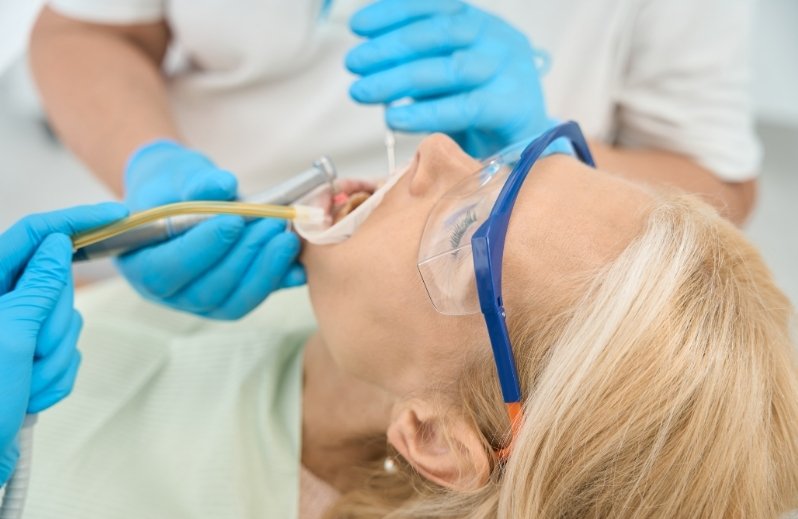
Everyone knows how important it is to have their teeth deep cleaned occasionally. But do you know how to decide the best time for scheduling a cleaning session with your dentist? Although most people adhere to twice-a-year visits, in practice, the ideal interval varies based on your oral health, lifestyle changes, and even age.
Several factors influence when you need to visit a dentist for a dental cleaning, and here are some of them. Read this blog to know the best time to book a dental cleaning.
What Factors Affect Your Dental Cleaning Schedule?
1. Your Oral Health History Is the Most Vital Factor
Your dental history is the most critical factor that determines the timing and frequency of your dental cleanings in Richmond.
- If you have experienced gum disease, have recurring cavity issues, or have undergone previous deep cleanings, your dentist would recommend seeing you every 3-4 months.
- If your gums and teeth are normally healthy, visiting your dentist once every six months will suffice.
2. Never Ignore Warning Signs of Oral Health Issues
Even if you’re in a routine, your body may still signal that you need to visit a dentist sooner. The following are some of the warning signs:
- Bleeding or swollen gums
- Persistent bad breath
- Sensitive teeth
- Build-up of tartar or discoloration of teeth
- Aching when chewing or brushing
3. Your Lifestyle Habits Are Also Important
Daily habits and personal choices also contribute to how often you’ll need a dental cleaning:
- Smoking or chewing tobacco accelerates plaque buildup and discolors teeth.
- Red wine, coffee, and tea stain teeth.
- Consuming a diet high in sugar and acid, such as sodas and snacks, can deteriorate enamel and accelerate cavities.
- Poor brushing and flossing habits? More gold stars in your planner for cleaning appointments.
4. Age and Lifestyle Habits Are Influential
- Children and teenagers are at risk for cavities, particularly for patients wearing orthodontic braces or retainers.
- Pregnancy often triggers hormonal changes that can lead to increased gum sensitivity and irritation. Dental cleaning during pregnancy is safe and advisable.
- Older people may experience problems such as dry mouth, gum recession, or root rot, all of which can be exacerbated by neglecting dental visits.
Adapting your cleaning schedule to your age will increase preventive care and treatment throughout the years.
5. Medical Conditions or Medications Can Also Be a Deciding Factor
- Individuals with diabetes and autoimmune diseases are at a higher risk of developing gum disease.
- Drugs that dry the mouth, such as antihistamines or blood pressure medications, reduce saliva production, thereby creating an ideal environment for bacteria to grow.
- Chemotherapy for cancer can lead to heightened sensitivity and reduced immunity in the mouth.
If you are being treated for a medical condition, ask your dentist how often you should visit. Cleaning every three months can benefit most patients.
6. Be Aware of Your Insurance Coverage
- Two annual cleanings are the most typical coverage, so be sure to make use of it!
- Scheduling treatments during school vacations, holidays, or significant events keeps scheduling easy and uncomplicated.
The ideal time for your cleaning is based on your oral health, habits, and lifestyle. If you are unsure about your cleaning sessions, consider consulting your dentist to help establish an individualized program.
Don’t wait for something to go wrong; take charge of your oral health now. Contact our office today to schedule your next professional dental cleaning and receive personalized care tailored to your specific needs.