We Take Medicaid/Medicare
Why Cracked Teeth Need Immediate Dental Attention?

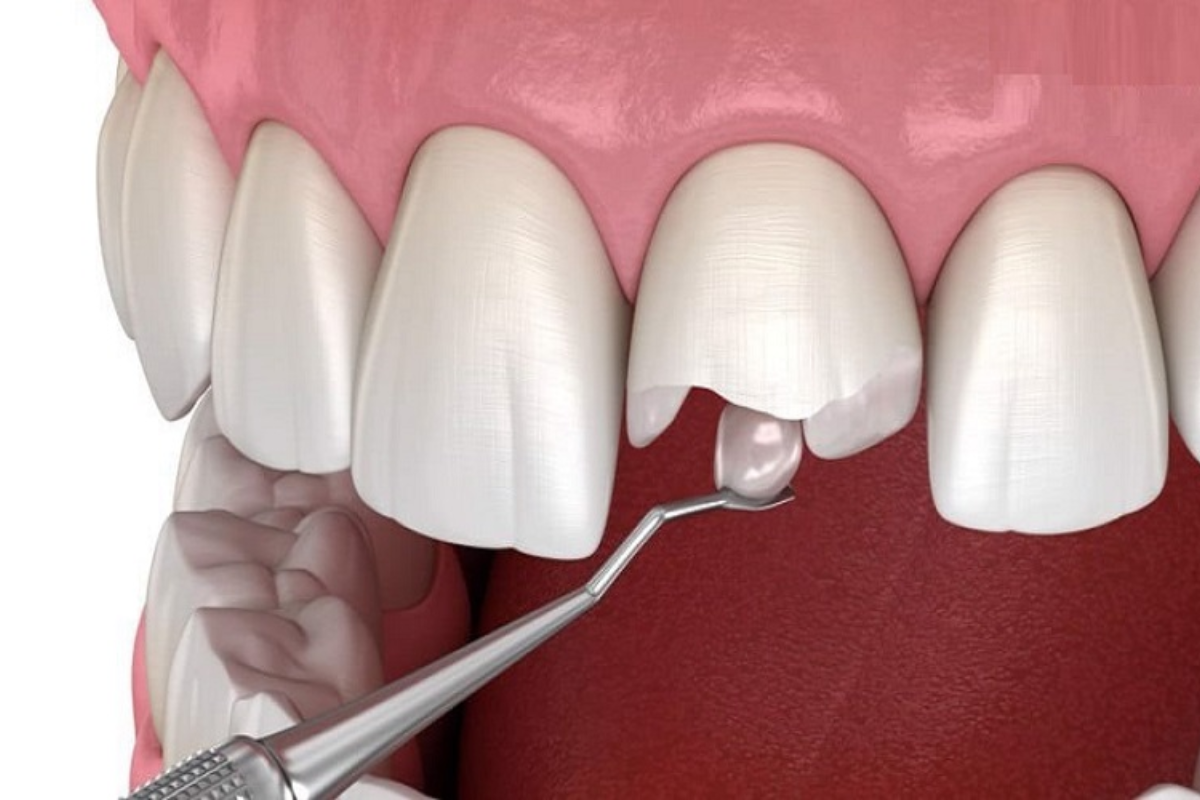
Have you ever bitten down on something hard and felt a sudden, sharp pain?
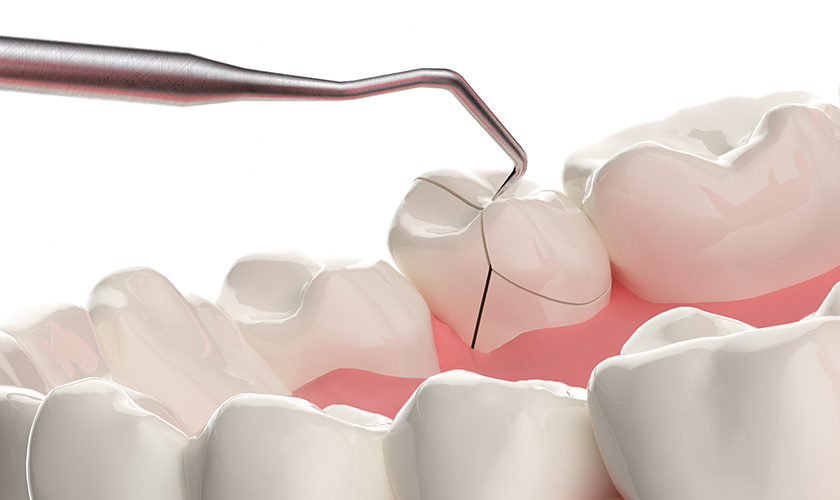
That could be a sign of a cracked tooth, and it’s more than just a temporary discomfort. Cracked teeth need immediate dental attention to prevent more serious issues from developing. Ignoring a crack might seem tempting if it doesn’t hurt much, but the consequences can be severe.
From infection to severe decay, a cracked tooth can lead to a host of problems if not addressed promptly. Understanding the urgency of cracked teeth and the steps you need to take can save you from more extensive and costly treatments down the road.
So, let’s dive into why acting fast is crucial and how you can protect your dental health effectively.
Spotting a Cracked Tooth: Signs and Symptoms
Cracked teeth can be tricky to identify since they don’t always show visible signs. However, certain symptoms can hint at a cracked tooth that needs attention. If you’re experiencing any of the following, it’s time to take action:
- Sudden Sharp Pain: Pain when chewing or biting can indicate a crack. This pain might come and go, especially with certain foods.
- Sensitivity: Increased sensitivity to hot or cold temperatures can signal a crack.
- Discomfort: Feeling discomfort or pain that worsens over time can be a sign of a more serious issue.
- Visible Cracks: Sometimes, cracks are visible on the surface of the tooth. They may appear as fine lines or fractures.
Distinguishing between minor and serious cracks is crucial. Minor cracks might cause occasional discomfort but can often be treated with simple interventions. Serious cracks, however, can expose the tooth’s inner layers and lead to more significant problems, requiring immediate dental care.
What to Do If You Have a Cracked Tooth: Immediate Steps
If you suspect you have a cracked tooth, acting quickly can help mitigate damage and ease discomfort. Here’s what you should do:
- Rinse with Warm Water: Rinse your mouth with warm water to clean the area and reduce discomfort.
- Avoid Hard Foods: Stick to soft foods and avoid chewing on the affected side to prevent further damage.
- Apply a Cold Compress: Use a cold compress to reduce swelling and numb the pain.
- Over-the-Counter Pain Relief: Take over-the-counter pain relievers to manage any discomfort until you can see your dentist.
These steps can help manage immediate symptoms and protect the tooth until professional treatment is available.
Diagnosing and Treating Cracked Teeth: What to Expect?
When you visit a dentist for a cracked tooth, they’ll use various diagnostic methods to assess the extent of the damage. Here’s how they typically proceed:
- Examination: The dentist will visually inspect the tooth and may use a probe to check for sensitivity or cracks.
- X-rays: X-rays help reveal cracks that are not visible to the naked eye, including those affecting the tooth’s roots or underlying structures.
Treatment Options:
- Fillings: For minor cracks, the Richmond dentist may use a filling to restore the tooth’s structure and function.
- Crowns: Crowns cover and protect cracked teeth, providing strength and improving appearance.
- Root Canals: If the crack extends into the tooth’s pulp, a root canal may be necessary to remove damaged tissue and seal the tooth.
Risks of Neglecting a Cracked Tooth
Ignoring a cracked tooth can lead to a series of complications that go beyond initial discomfort. Here’s why timely treatment is essential:
- Infection: A cracked tooth can allow bacteria to enter, leading to infections. An untreated infection can spread to the surrounding tissues and even the jawbone.
- Decay: Cracks can trap food and bacteria, accelerating tooth decay. This decay can weaken the tooth further and complicate treatment.
- Pain and Discomfort: As the crack worsens, you may experience increased pain and sensitivity, making daily activities uncomfortable.
Act Quickly to Preserve Your Dental Health!
Cracked teeth may seem like a minor issue, but they demand immediate attention to prevent serious complications. Acting quickly can protect your tooth from further damage, infections, and discomfort. If you suspect a crack, don’t wait—schedule a dental appointment as soon as possible. Addressing the problem early ensures a healthier smile and saves you from more extensive treatments in the future. Your teeth deserve the best care, so take action now and keep your smile strong.